

Plastic regrind, regranulate or virgin material – which material form is right for your application?

Badico Trading Explained
What is the difference between Regrind, regranulate, and virgin material?
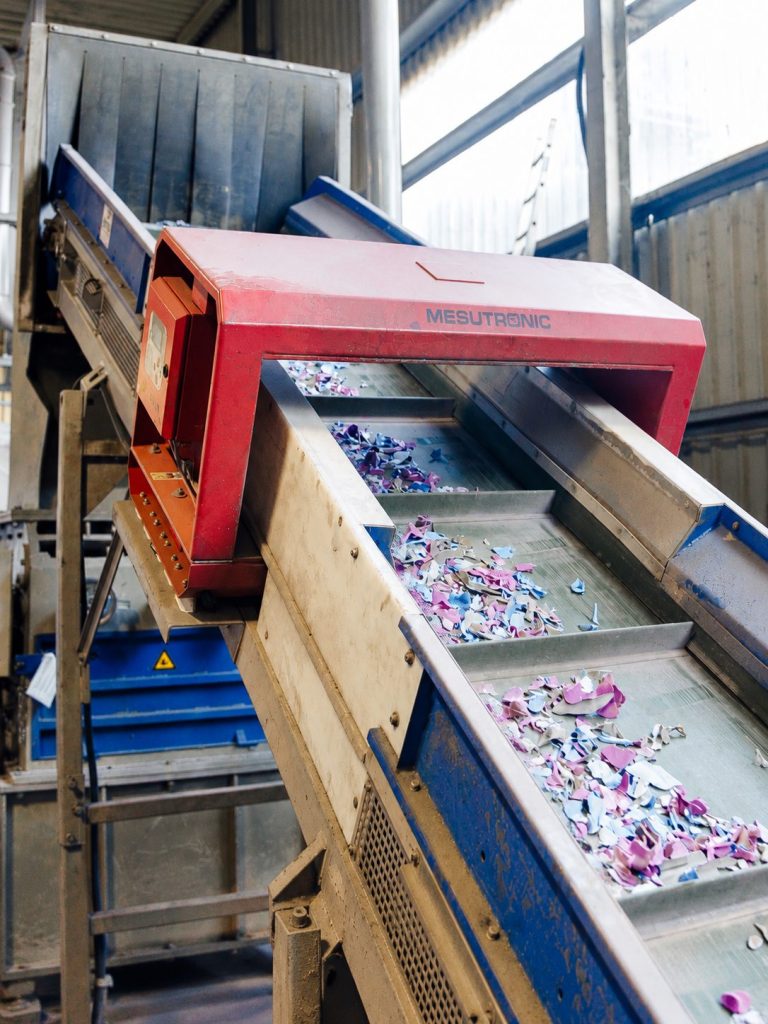
- Plastic Regrind
Regrind is produced by mechanically grinding suitable plastic scraps, such as sprues, defective parts, or production scrap. Its quality and potential applications depend primarily on the type of plastic, the purity of the material, its color, and any potential contamination.- Regranulate
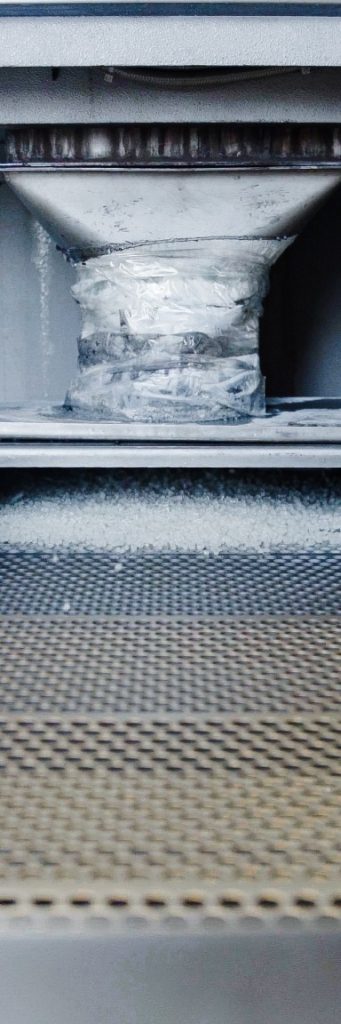
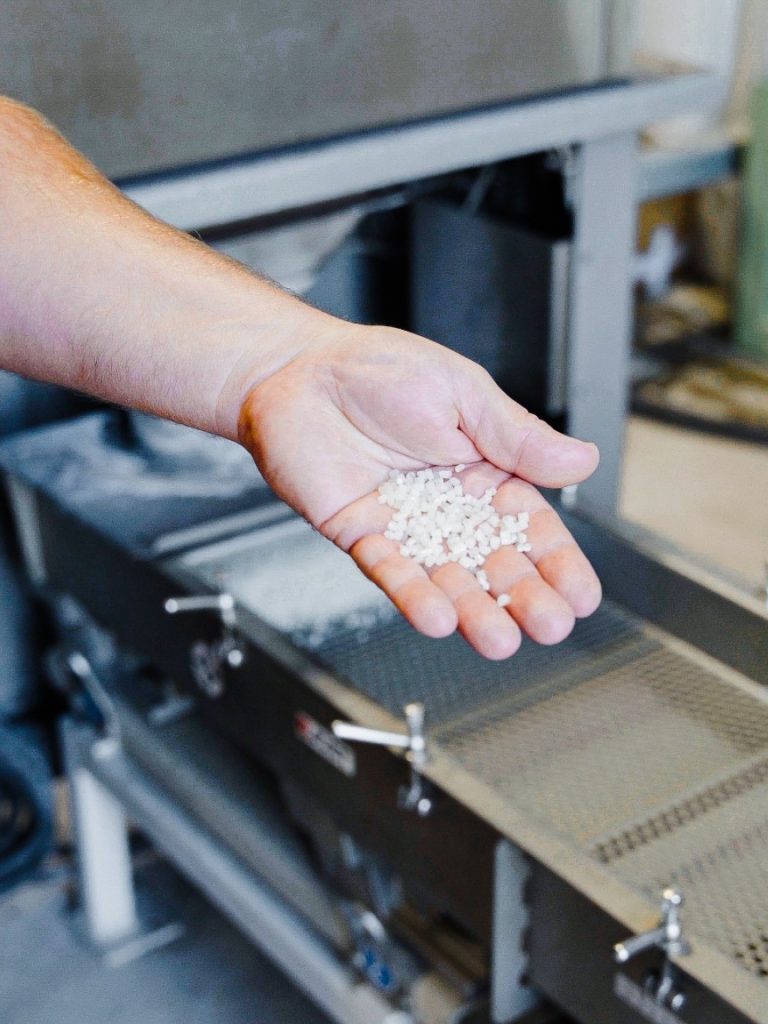
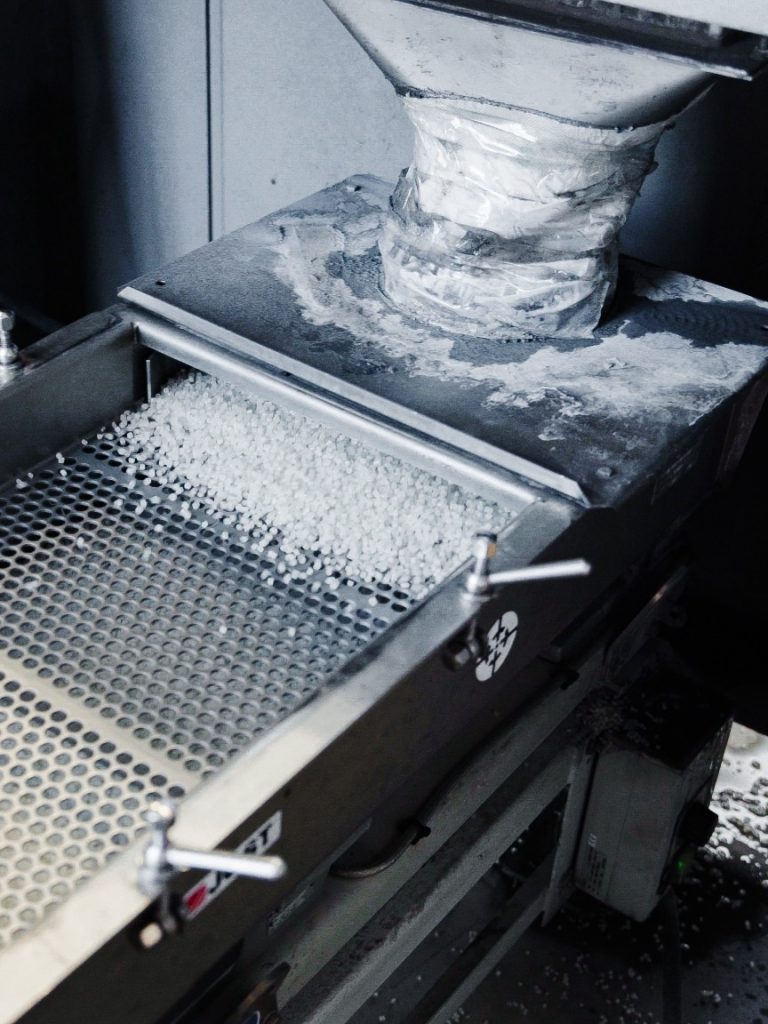
To produce regranulate, suitable plastic materials are processed, melted down, and granulated again. Depending on the process, contaminants can be filtered out, and material properties can be tested or specifically adjusted. The actual quality depends on the starting material, the processing method, and the specifications.- Virgin Plastic
Virgin material is produced from newly manufactured polymers. It generally offers high material consistency and clearly defined properties. It may be particularly necessary when strict technical, optical, or regulatory requirements apply.
In short: Regrind and regranulate can partially or completely replace virgin material in suitable applications. This is contingent on their quality and properties meeting the respective requirements.
Regrind, regranulate and virgin material compared
The following overview highlights the key differences in raw material basis, processing, material consistency, physical form and typical applications.
| Comparison criterion | Regrind | Regranulate | Virgin material |
|---|---|---|---|
| Raw material basis | Shredded plastic residues | Processed and regranulated plastics | Newly manufactured polymers |
| Processing | Mechanical shredding | Melting, filtering and granulating | Manufactured by the polymer producer |
| Material consistency | Highly dependent on origin and material purity | Can be defined depending on processing and testing | Generally very consistent |
| Physical form | Irregular regrind particles | Uniform granule form | Uniform granule form |
| Colour options | Dependent on the source material | Dependent on the material basis and processing | Often a wide selection with high colour reproducibility |
| Typical applications | Suitable applications in which material variations are acceptable | Applications with defined requirements for recycled material | Applications with particularly high or consistent requirements |
Decision-Making Guide
Which form of material is appropriate in which situation?
Recycled granules may be a good option if…
• there are single-type and sufficiently clean plastic scraps,
• processing the material is technically feasible,
• certain variations in color or material properties are acceptable,
• direct reintroduction into production is to be evaluated.
Regranulate may be appropriate if…
• a uniform pellet shape is required,
• the material is to be further processed and filtered,
• defined technical properties can be verified,
• the use of recycled material is permitted for the application.
Virgin material may be appropriate if…
• particularly consistent properties are required,
• strict color or surface requirements exist,
• certain standards or approvals must be met,
• recycled material is not approved or not suitable for the application.
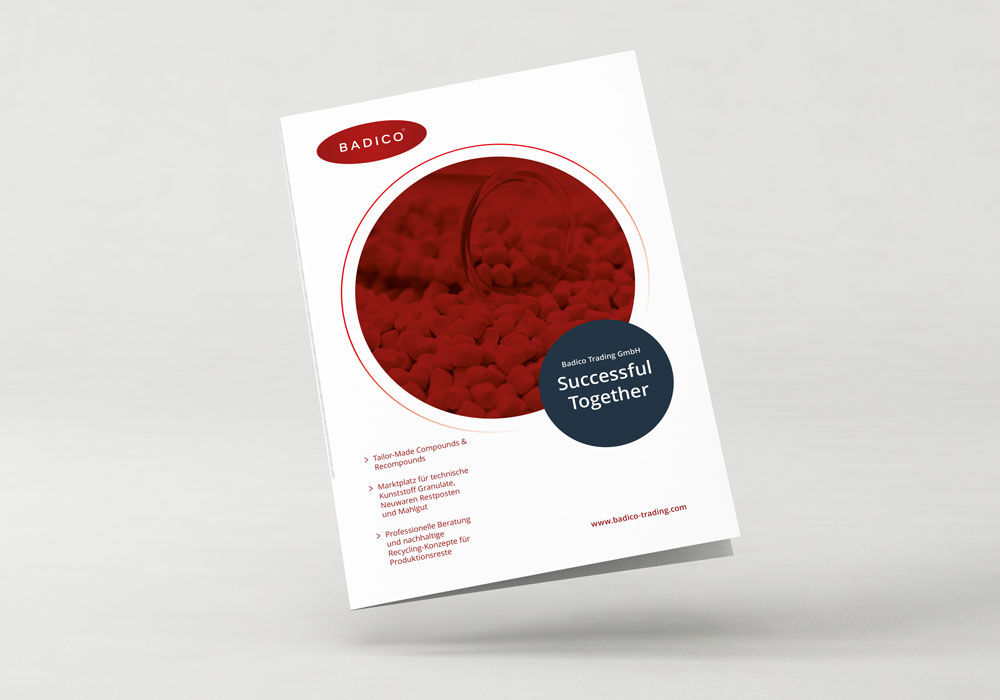
For more information, please see our brochure.
Consulting Services Provided by BADICO Trading GmbH
Find the Right Recycling or Procurement Channel with BADICO
BADICO assists companies in evaluating, marketing, and sourcing plastic materials. Factors such as plastic type, origin, purity, color, condition, quantity, and intended use are taken into account.
Based on this information, it is possible to determine whether a material can be used as regrind, processed into regranulate, sold, or replaced with an alternative material solution
Frequently Asked Questions About Regrind, Regranulate, and Virgin Material
Do you have any questions? You’ll find the answers here
Ground material is produced by mechanically crushing plastic scraps. Regranulate is additionally melted down, filtered if necessary, and then pelletized again.
Not necessarily. For both types of material, quality depends on the raw material, purity, processing, and quality control. The key factor is suitability for the specific application.
That depends on the application. Technical properties, workability, color, and applicable standards and approvals must be verified in advance.
Depending on the material and quality, options may include, for example, sprues, missing parts, production scrap, remaining inventory, or surplus stock of a single type. However, acceptance or recycling must always be evaluated on a case-by-case basis.
The availability of technical data sheets and other supporting documentation depends on the specific material and manufacturer. Therefore, any required documentation should be specified at the time of the inquiry.
Contact person
 Andreas Badenjki
Managing Director- +4989-21756295
Phone
Give us a call
- info@badico-trading.com
Email
Write us an email
Adresse
BADICO Trading GmbH
Augsburger Str. 43
D-82110 Germering

Get in touch with us
Do you have any questions about our products? Then simply get in touch with us! We will be happy to advise you!